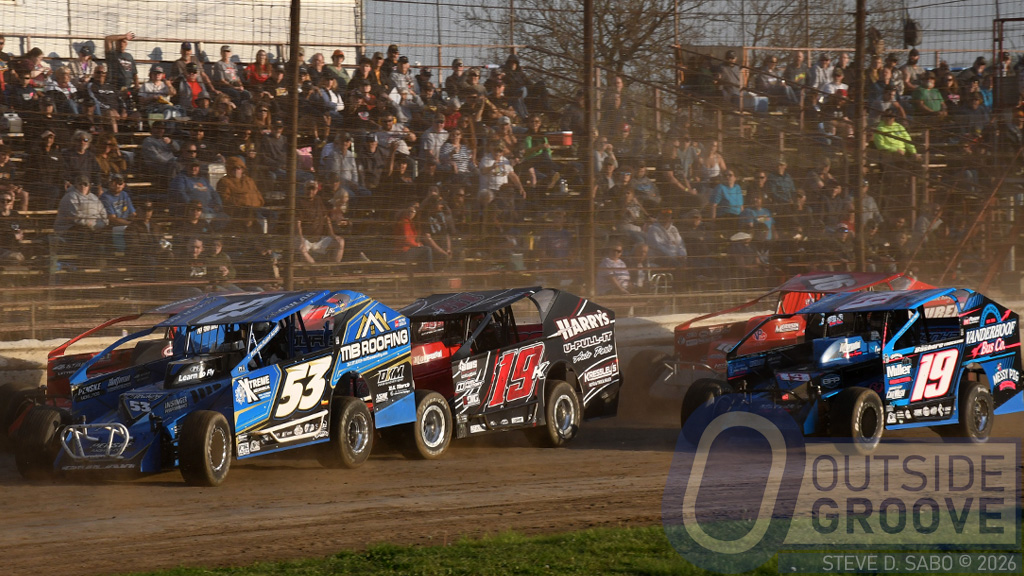
A total of 84 cars. How many divisions? Six? Eight? No, just two. It’s the model that Grandview Speedway has used for years, and with great success.
Grandview didn’t fall into the trap that causes many speedways to spiral downward. When the bottom line sinks, many promoters turn to their back gate and add divisions to keep the overall car count up.
Why do tracks do this? For promoters, it’s easy money from more entry fees and more pit passes.
Yet the front-gate-driven tracks, the ones focused on fans, often experience more success overall, with more spectators and cars. Not only do the fans love the competition, the drivers seemingly do, too.
Not everyone makes the feature. Yes, racers need to get comfortable with the prospect of going home early. But unlike many tracks that use time trials to qualify the cars and start them straight up in heat races and then the feature, Grandview Speedway still uses handicapping. The fastest drivers often start toward the rear, needing to work their way through the field to finish up front.
“Any night is a tough night to win at Grandview,” said modified regular Ryan Watt, who most recently started 12th in the feature and finished second. “It is a challenge for a driver because of the handicap system. A win is a major accomplishment. To be able to have a car you can move through the field with and win at Grandview is huge — drivers want that challenge.”
In 18 races last year at Grandview, there were 12 different winners in the sportsman division, 13 in the modifieds. Given those odds, no driver is a virtual lock for scoring the feature victory. In fact, just making the show is a win for many drivers. That lack of predictability throughout the night captivates fans’ attention not only on race day, but throughout the season.
The two-division show at Grandview Speedway proves less is more.
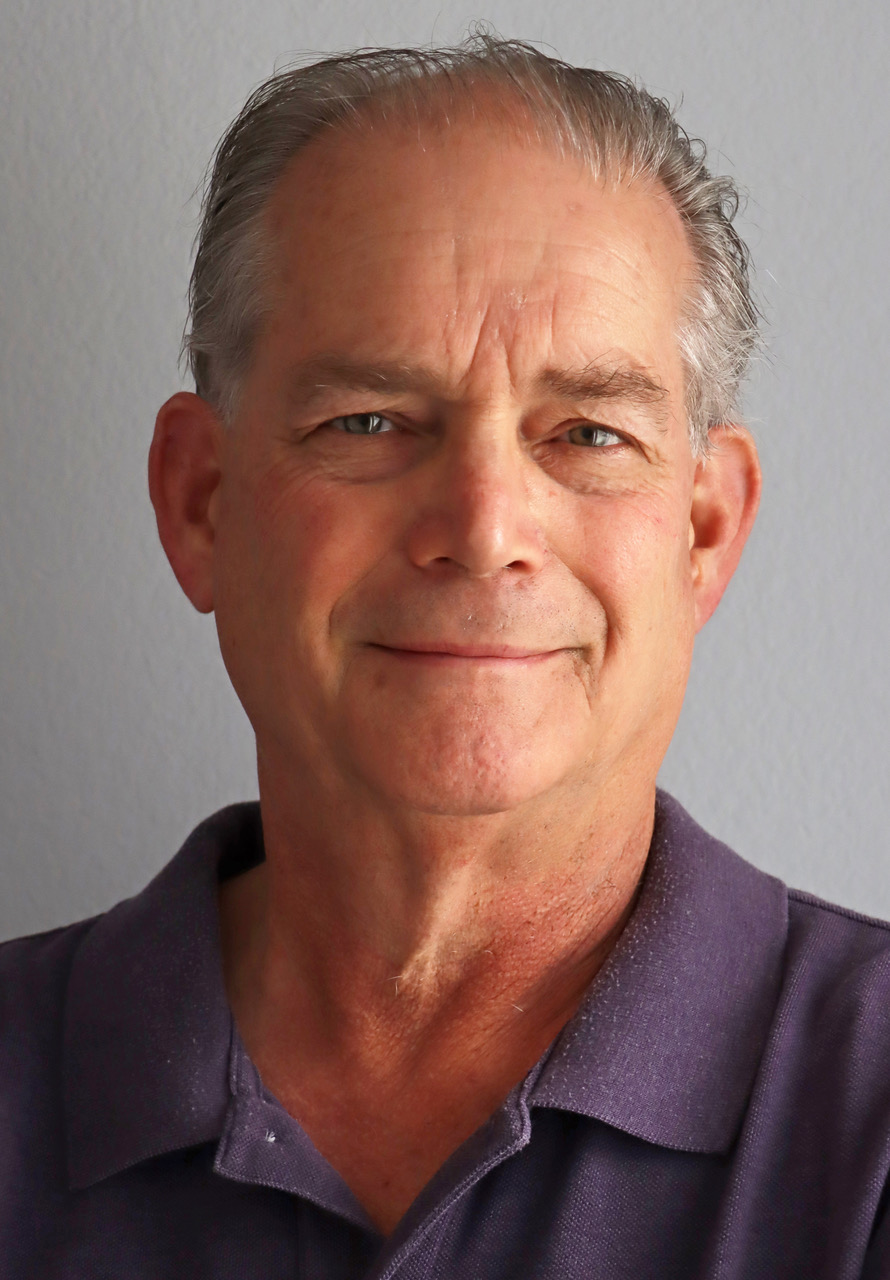
Mike Adaskaveg has written hundreds of stories since the website’s inception. This year marks his 54th year of covering auto racing. Adaskaveg got his start working for track photographer Lloyd Burnham at Connecticut’s Stafford Motor Speedway in 1970. Since then, he’s been a columnist, writer, and photographer, in racing and in mainstream media, for several outlets, including the Journal Inquirer, Boston Herald, Stock Car Racing, and Speedway Illustrated. Among Adaskaveg’s many awards are the 1992 Eastern Motorsport Press Association (EMPA) Ace Lane Photographer of the Year and the 2019 National Motorsports Press Association (NMPA) George Cunningham Writer of the Year.